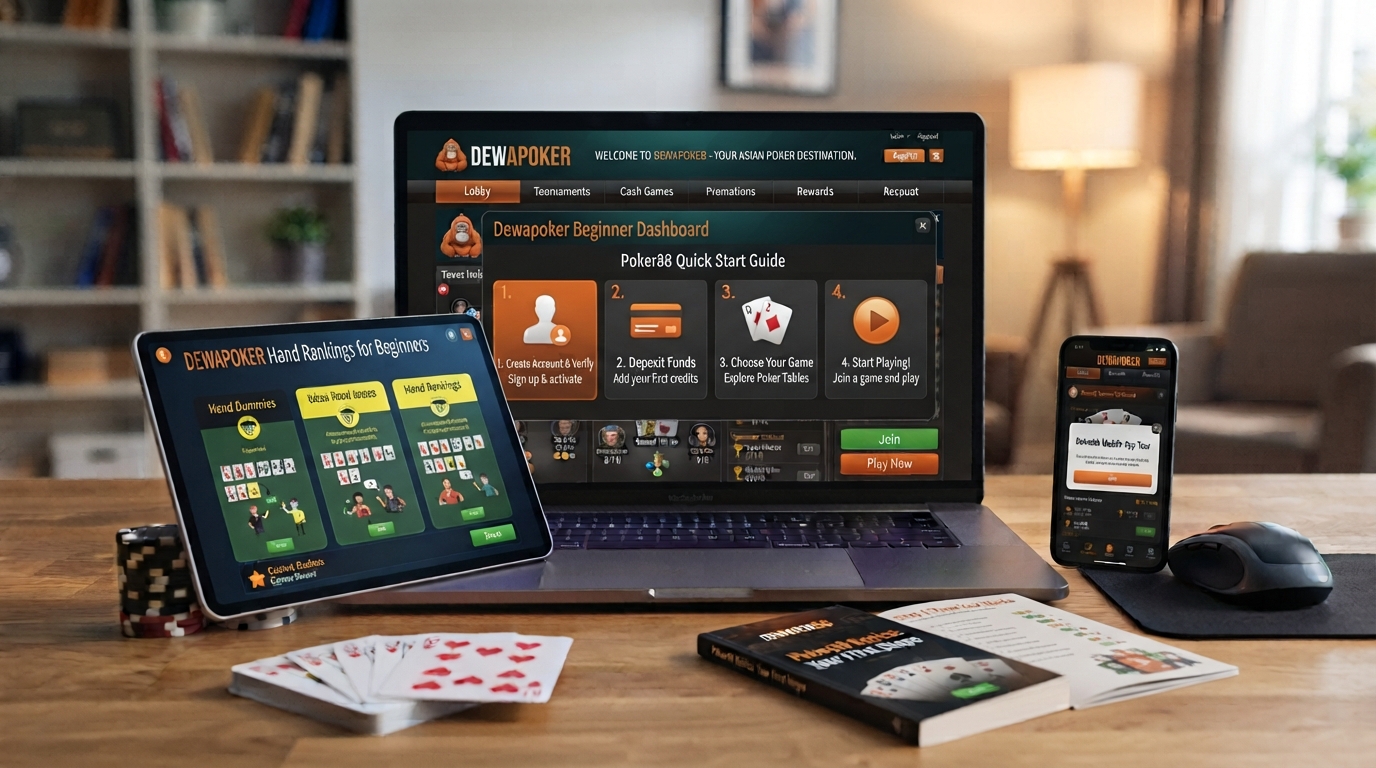
Online poker platforms have become a familiar part of the wider digital entertainment industry. They typically combine traditional poker formats with online interfaces, account systems, game lobbies, and other digital features. Before considering any such platform, it is important to understand how these services generally work and what factors users should consider.
A platform such as poker88 may offer different poker-related games and digital features, but the specific services, availability, and rules can vary depending on the operator and the user's location. Because online gambling involves real money in many cases, users should first check the applicable laws and age requirements in their jurisdiction.
Understanding Online Poker Platforms
Online poker websites generally provide a digital environment where users can participate in poker games rather than playing around a physical table. Common features may include different game formats, account management tools, player interfaces, transaction systems, and customer support.
The design of a platform can influence how easily users navigate between games and account functions. Clear menus, understandable rules, transparent terms, and accessible support information are useful characteristics for any online service.
However, attractive design or a large selection of games does not necessarily mean that a platform is suitable or safe for every person. Users should look beyond promotional claims and read the site's terms carefully.
Features Worth Examining
One important consideration is transparency. A responsible online service should clearly explain its rules, fees, eligibility requirements, privacy practices, and withdrawal procedures.
Security is another significant issue. Users should understand how an operator protects account information and what measures are available if an account is compromised. It is also useful to examine whether the platform provides clear information about responsible-gambling controls.
Game variety may also be advertised as a major feature. Different poker formats can have different rules and levels of complexity, so understanding the rules before participating is essential. Users should never assume that familiarity with one poker format automatically means they understand another.
Why Age and Local Rules Matter
Online gambling is subject to legal restrictions that differ between countries and sometimes between regions. Minimum-age requirements are particularly important. Gambling services are intended only for people who meet the legal age requirement where they live.
Anyone below the applicable legal gambling age should not create an account, deposit money, or participate in real-money gambling. Parents and guardians can also help younger people understand why gambling platforms are different from ordinary games and entertainment websites.
Responsible Decision-Making
Poker involves financial risk, and winning is never guaranteed. A person's previous results do not guarantee future results, and gambling should not be viewed as a reliable way to make money.
For adults who legally choose to gamble, understanding spending limits, recognizing warning signs of problematic gambling, and taking breaks can be important parts of responsible behavior. People should also avoid using money needed for essential expenses.
Final Thoughts
Online poker platforms can contain a variety of digital features, but evaluating them requires more than looking at the number of games or the appearance of a website. Legal eligibility, transparency, security, privacy, financial risk, and responsible-use policies are all relevant considerations.
The most important point is that online poker involves real financial and legal considerations. Anyone researching these services should verify current local regulations and eligibility requirements and make sure they understand the risks before taking any action.