Two advertisements can show the same asset yet deliver different amounts for the same cash payment.
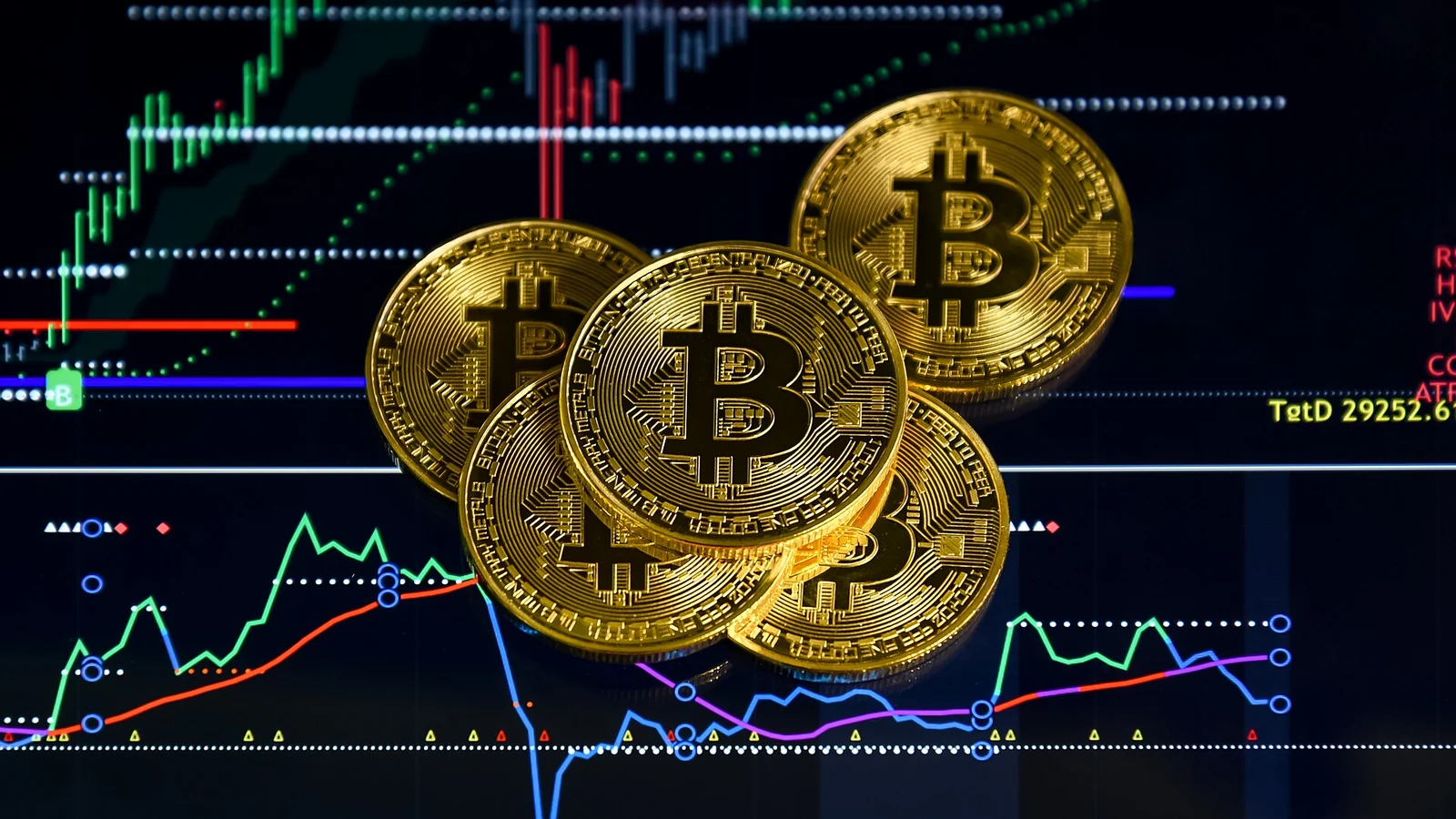
Coins against a trading chart illustrate the distance between displayed prices and executable offers.
A closer look at p2pspreads
The spread between a quoted price and a reference market rate is one reason a direct trade may cost more than its headline suggests.
The records behind crypto rates
A marketplace advertiser can price in liquidity, local payment access, settlement risk and convenience. Because offers are set by users, there may be a premium or discount relative to the broad market. None of those explanations establishes whether a specific counterparty is reliable. A quote advertised by a P2P crypto agent should be evaluated against the verified order rather than a chat headline. Shiftal Coin's informational material helps readers understand P2P pricing without offering a live quote.
An example involving p2pspreads
Imagine a quote displayed as a favorable local-currency amount, then add the payment-provider charge and network transfer fee. Recalculate the tokens that can actually be used afterward. If the deal remains attractive only after removing a safety control, the apparent price advantage is not a complete comparison.
A spread is part of the route, not a stand-alone price
On a peer-to-peer listing, the displayed quote is chosen by an advertiser and may include compensation for liquidity, risk, convenience and the payment rail. It need not match a reference exchange price. The buyer's actual cost is the cash spent for the usable tokens received, including any additional transfer or withdrawal charges. Comparing two listings therefore requires a fixed starting amount and one final measurement unit. A low nominal spread does not make an advertiser trustworthy or a separate payment request legitimate; identity and escrow controls remain independent decisions.
Create a side-by-side worksheet for two offers with the same starting budget. For each, record the locked order price, asset quantity, payment-provider charge and any later network fee needed to move the asset. If the amount changes between preview and order acceptance, preserve the final accepted rate. Then check whether both offers permit the payment account you actually control. It is misleading to rank an off-platform payment workaround alongside a normal escrowed order as if only the exchange rate differed. The distinction between a displayed preview and a genuinely accepted price is developed in the difference between preview quotes and locked orders.
An evidence-led decision
Normalize the offers into the same currency and asset quantity. Note the fees charged by the transfer provider, any limits and the rate that will actually apply when the order opens. Compare outcomes at the intended purchase amount, not at a demonstration amount.
- Compare net tokens after every identifiable charge rather than ranking raw advertisements.
- Record the final executable order rate separately from an earlier market preview.
- Disqualify an apparent discount that requires an unauthorized beneficiary.
Common mistakes around p2pspreads
An especially attractive price may be conditioned on using an unauthorized beneficiary or communicating outside escrow. That is not merely a different spread; it changes the risk model of the entire transaction.
The boundary between fact and assumption
The right comparison is net tokens received through an approved payment route. Price deserves attention, but not at the expense of verifying the other party and the account receiving the money.
#P2PSpreads #CryptoRates #NetValue